
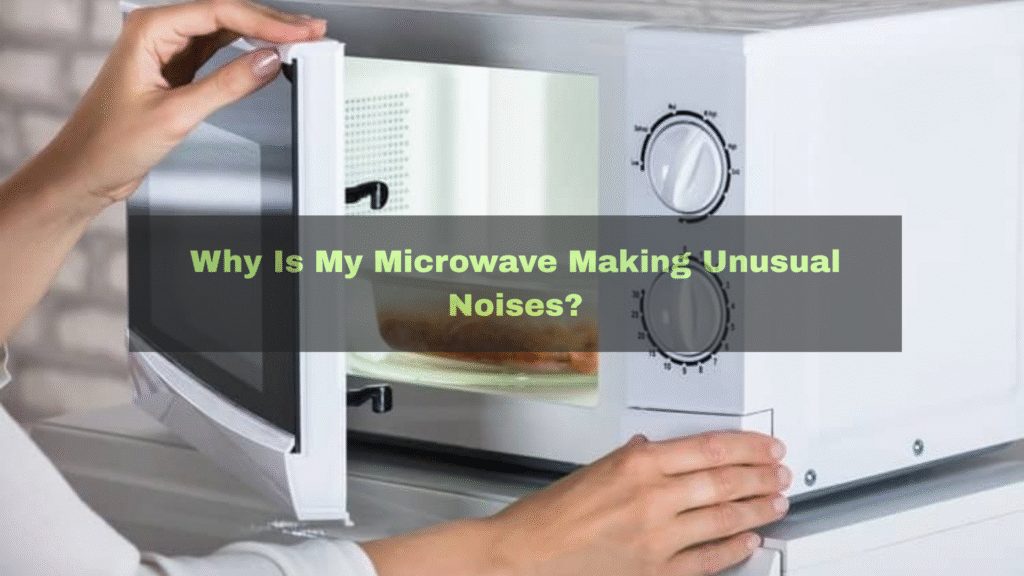
Microwaves are one of the most commonly used kitchen appliances, making life easier by quickly reheating or cooking food. However, like any other appliance, they can sometimes make unusual noises. If your microwave is suddenly buzzing, rattling, or emitting strange sounds, it can be alarming. There are several reasons why this might happen. Let’s dive deeper into the most common causes and potential solutions for these unusual noises.
1. Turntable Issues
The turntable in your microwave is responsible for ensuring that food heats evenly by rotating while the microwave is running. If the turntable is misaligned or obstructed by food, it can create a grinding, rattling, or scratching noise.
What to Check:
- Alignment: Ensure the turntable is seated correctly on its track. If the track is misaligned, the turntable may wobble or make strange noises as it struggles to rotate.
- Obstructions: Inspect the area around the turntable to make sure there are no food particles, debris, or even broken glass that could be interfering with its movement.
- Rotation: Manually rotate the turntable to see if it moves smoothly. If it doesn’t, check for any cracks or damage that could be preventing proper movement.
2. Magnetron Problems
The magnetron is a crucial component of the microwave as it generates the microwave radiation that heats your food. If the magnetron starts to fail, it can create unusual buzzing, humming, or even high-pitched squealing noises. This is especially noticeable if the microwave is not heating food properly or if the sound becomes louder over time.
What to Check:
- Sound: If you hear a loud buzzing or a high-pitched whine, it’s possible that the magnetron is malfunctioning.
- Heating Performance: A faulty magnetron may also affect the heating ability of your microwave. If the microwave isn’t heating food evenly or at all, it’s likely the magnetron is the culprit.
- Professional Help: Unfortunately, a malfunctioning magnetron cannot be fixed easily and usually requires professional repair or replacement. If the magnetron is faulty, it’s best to consult a technician.
3. High-Pitched Noise
A faint high-pitched sound is normal when a microwave is operating, as it’s often produced by the internal components like the magnetron or the fan. However, if this sound becomes more noticeable or louder, it might indicate an issue with these components.
What to Check:
- Duration: If the high-pitched noise is persistent and noticeable during every use, this could signal that one of the components (magnetron, capacitor, or fan) is struggling to work as intended.
- Component Damage: Over time, the internal components may wear out, leading to increased noise. Check if the microwave is over 5–7 years old and assess if the noise correlates with irregular heating or performance.
4. Cooling Fan Problems
Microwaves rely on cooling fans to prevent overheating, especially the magnetron. These fans help maintain an optimal temperature inside the appliance, allowing it to function properly. If the fan becomes obstructed, worn out, or begins to malfunction, it may produce a loud or unusual noise.
What to Check:
- Obstructions: Inspect the area around the cooling fan for any food debris, grease buildup, or dust. Cleaning the fan and ensuring there are no blockages can often resolve the noise.
- Fan Condition: Over time, cooling fans can wear out. If the fan blades are cracked or broken, they may cause scraping or buzzing sounds. If the fan appears damaged, it may need to be replaced.
- Noise Type: If the noise is consistent and seems to be coming from the back or sides of the microwave, it’s likely the fan. A malfunctioning fan might also lead to overheating issues, so it’s best to address this issue promptly.
5. Loose or Broken Parts
As your microwave ages, parts inside the appliance can loosen or break. These parts could include screws, bolts, or pieces of insulation. When these parts are not properly secured, they can rattle around, causing a variety of noises.
What to Check:
- Inspection: Unplug the microwave and carefully inspect it for any loose parts. Check both inside and outside the appliance for screws that might have come loose or pieces of insulation that have broken off.
- Tightening: If you find any loose screws or parts, you can attempt to tighten them carefully. However, if you’re unsure about any repairs, it’s safer to consult a professional.
- Rattling Sounds: A continuous rattling noise is often the result of loose or broken internal components. If the microwave is still heating food properly, this might be a minor issue, but if the noise is accompanied by other malfunctions, it could require more immediate attention.
6. Improperly Seated Food or Containers
Sometimes the noise in your microwave is coming from the food or container inside. Certain types of containers or large, dense food items can cause uneven heating, leading to unusual sounds. These noises can be more pronounced if the food is making contact with the microwave’s walls or turntable.
What to Check:
- Container Size: Ensure that the containers you use are microwave-safe and appropriately sized for the microwave. Large containers or tightly packed food may not rotate properly, creating additional noise.
- Food Position: If the food or container is placed too close to the microwave’s walls, it may cause scraping or rattling noises as it rotates.
- Heating Method: Sometimes food with high moisture content (like soup or vegetables) can produce popping sounds due to rapid steam buildup. This is normal but should not sound excessive.
7. Electrical Issues
If the noise coming from your microwave sounds electrical in nature, such as a buzzing or crackling sound, there might be an issue with the microwave’s power supply. Problems with the power diode, capacitor, or other electrical components can result in faulty operation and unusual sounds.
What to Check:
- Buzzing Sounds: A buzzing sound that seems electrical could indicate a power issue. The noise might become louder or more persistent as the microwave operates.
- Capacitor or Diode: These components control the flow of electricity in the microwave. If either of these parts is faulty, the microwave may experience electrical imbalances, leading to abnormal sounds and malfunctioning.
- Professional Diagnosis: Electrical problems require expertise to diagnose and repair. If you suspect an electrical issue, it’s crucial to call a qualified technician.
8. Excessive Vibrations
Microwaves rely on mechanical parts like the magnetron and fan to operate. If these parts are vibrating excessively or the microwave is not level on the countertop, it may cause unusual noises. The vibrations can amplify, making the noise more noticeable.
What to Check:
- Leveling: Check if the microwave is properly level on the countertop. An unlevel microwave can cause excessive vibrations that result in rattling or buzzing.
- Vibration Source: If the microwave is functioning correctly but still vibrating excessively, it could be an issue with internal components that are not seated properly.
- Stabilization: Placing the microwave on a solid, level surface can help reduce vibrations. If the vibrations continue, it may be necessary to have the microwave serviced.
9. Age of the Microwave
Like all appliances, microwaves wear out over time. As the microwave ages, its components become less efficient, and the appliance may start to make more noise. The motor, fan, or magnetron could be working harder to perform the same tasks, leading to increased noise.
What to Check:
- Microwave Age: If your microwave is over 7 years old and you’re noticing increased noise or poor performance, it could simply be a sign of wear and tear.
- Repairs vs. Replacement: Depending on the severity of the issue, it may be more cost-effective to replace the microwave than to repair it, especially if the noise is accompanied by other performance problems.
When to Seek Professional Help:
If the noise persists or is accompanied by other signs such as sparking, failure to heat, or strange smells, it’s time to call in a professional. A technician can diagnose the problem accurately and prevent further damage to your microwave. Regular maintenance, like cleaning the fan and turntable, can help extend the life of your microwave and reduce the likelihood of noise problems.
In conclusion, while it’s normal for microwaves to make some noise, unusual or loud sounds are often indicative of a problem. By identifying the source of the noise early, you can prevent bigger issues from developing and ensure your microwave continues to work efficiently.